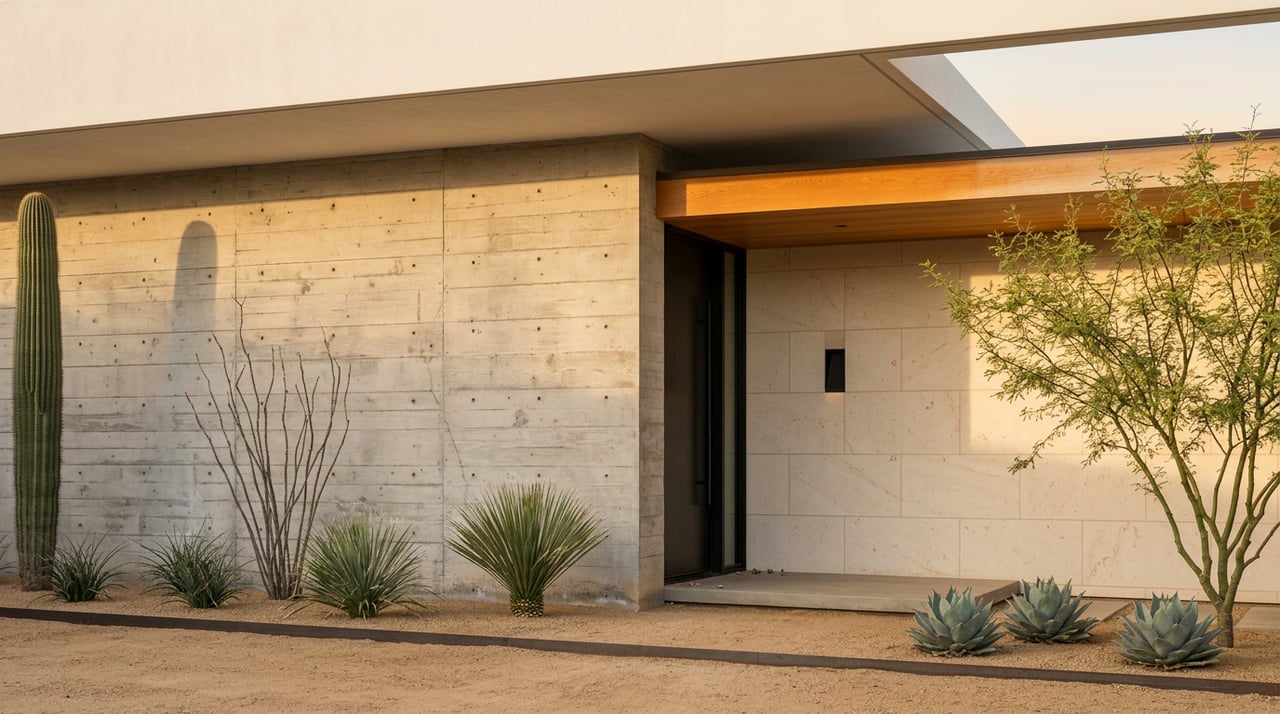
On July 14, a 20,900 square foot estate on Mockingbird Lane closed all cash for $40.238 million, setting a new Arizona residential sales record and eclipsing the $33.5 million mark from February 2025. That single transaction, handled by Christie's on the sell side and Paulina Matteson of SERHANT. on the buy side, will move the July median in 85253 by hundreds of thousands of dollars all by itself. It is the clearest illustration of a problem out-of-state buyers keep running into: in Paradise Valley, the "median price" you read on a portal is a small-sample number wearing a large-sample costume.
If you are shopping this market from Chicago, Seattle, or Los Angeles, that matters. The number you anchor your budget to is quietly deciding which neighborhoods you tour and which offers you write. Here is what the research says the number actually means.
Four portals, four different medians
Paradise Valley closes roughly 40 to 60 single-family homes per month, while Scottsdale and Phoenix close 800 to 1,000 each. With that few trades, definitions and timing windows produce very different headline numbers. A snapshot from spring and early summer 2026:
| Source | Reported figure | Window |
|---|---|---|
| Zillow ZHVI | ~$3.02M typical value | as of May 2026 |
| Redfin | $4.6M median sale price | 3 months ending April 2026 |
| Movoto | $4.999M median | March 2026 |
| Local MLS report | ~$5.2M median sale | May 2026 closings |
| Movoto (list) | $5.25M median list | July 2026 |
The spread from roughly $3.0 million on Zillow, down 1.4% year over year, to a May 2026 median sale price of approximately $5.2 million at $987 per square foot, is not a data error. It is what happens when portals track different property sets, refresh on different schedules, and smooth over different look-back periods. One trophy closing per month is enough to pull a median up by seven figures. One quiet month at the low end pulls it back down.
The practical read: if a portal median is the only number in your budget conversation, you are already off.
The one-acre rule is doing more work than the price chart shows
Paradise Valley enforces a one-acre minimum lot size dating to the 1961 incorporation, and prohibits commercial development with the exception of grandfathered luxury resorts, using the single zip code 85253. That is why the town has roughly 5,800 households, no commercial development, and direct access to Camelback Mountain, Mummy Mountain, and the Phoenix Mountain Preserve.
For a buyer, that ordinance is not trivia. It is the mechanism that keeps the supply curve short and makes each closing statistically loud. New product is either a custom rebuild on an existing lot or a home inside one of the small gated enclaves — Azure at Ritz-Carlton, Paradise Reserve, and Cameldale Estates. There is no tract-home relief valve coming. When a portal shows the median moving 8% in a quarter, that is often three or four sales doing the talking, not a shift in fundamentals.
What your money actually buys at each tier
Rather than one median, think of Paradise Valley as four separate sub-markets stacked in the same zip code:
- $2M to $3M — land plays and teardowns. Tear-down opportunities exist at the $2M to $3M land-only price point. A teardown plus a $5M to $7M custom build still produces a final asset around $8M to $12M, well below the $15M+ trophy tier. The buyer here is patient, has a builder relationship, and is really buying a lot with a permit story.
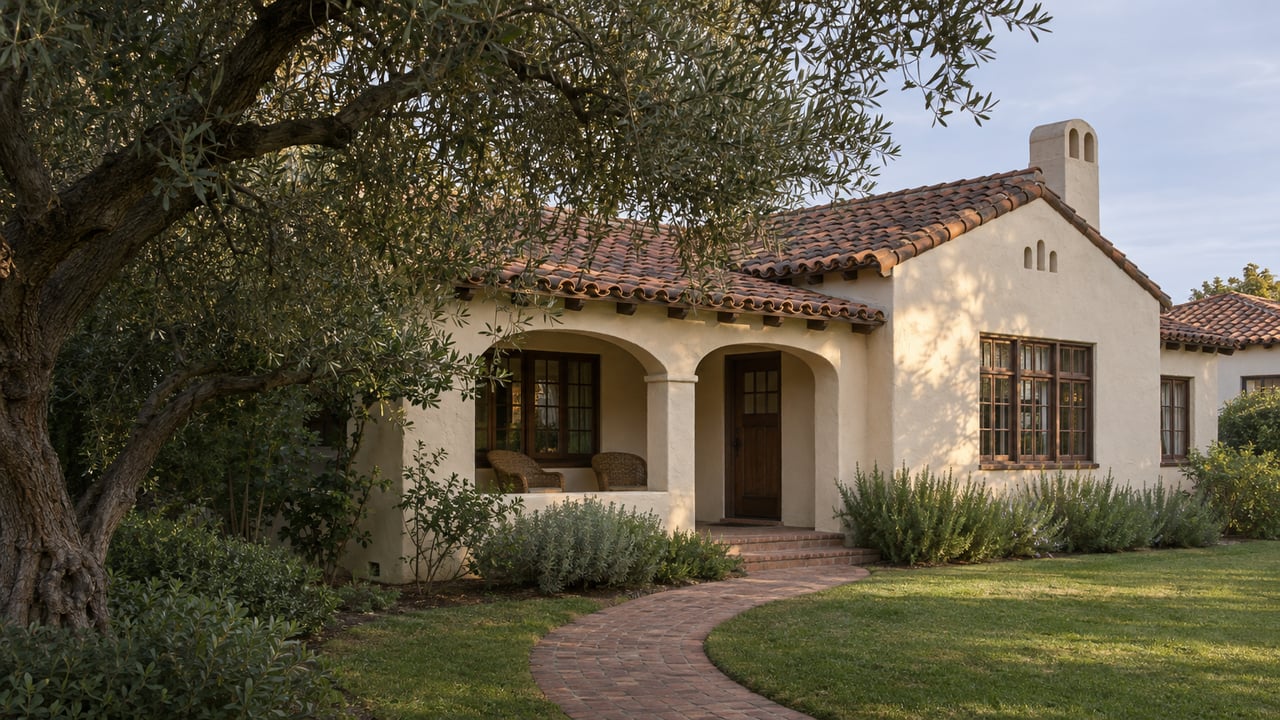
- $3M to $6M — the working luxury middle. Renovated ranches, mid-century updates, and Mediterranean rebuilds. Realtors who specialize in high-end Paradise Valley residences say the entry point is more like $2 to $5 million for the lower end of homes in the town, some with possible updates needed.
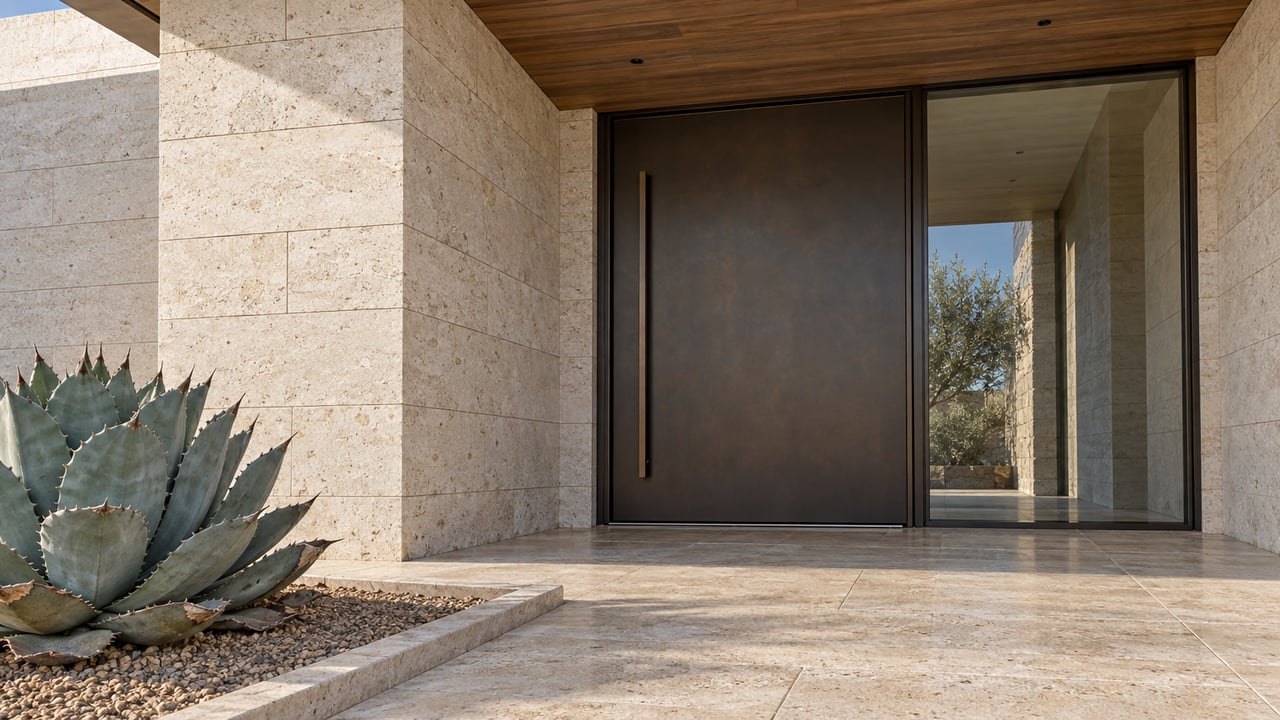
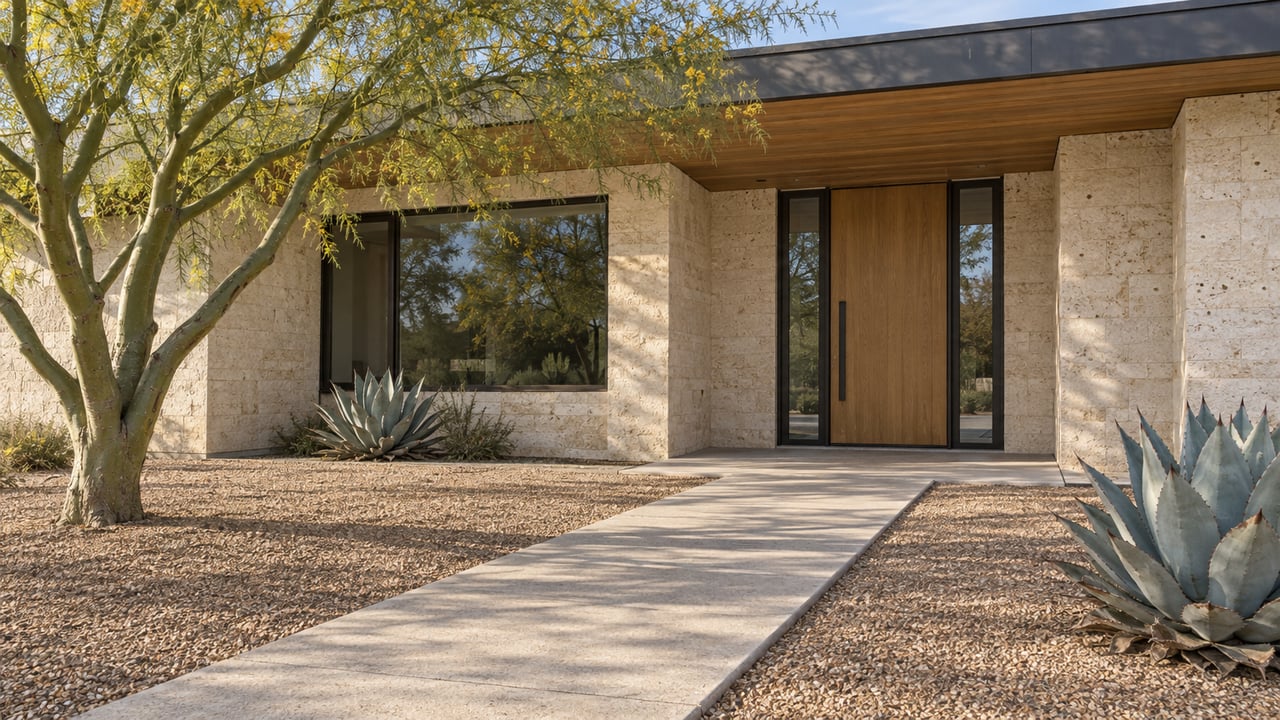
- $6M to $15M — architecturally significant new builds. Organic-modern and modern-desert product concentrated in the Camelback Country Estates and Cherokee Elementary corridor, where recent new builds have introduced organic-modern architecture to the resale mix.
- $15M and up — trophy view sites. Multi-acre lots on Camelback or Mummy with direct view corridors. Barrett, the agent on the Mockingbird Lane sale, told The Real Deal that $2,000 per square foot is becoming "the new standard" for top-tier homes, and luxury-grade construction on premium hillside lots is commanding $1,400 to $2,000 per square foot at the trophy end.
A buyer who tells their agent "I saw the median is $4.6M so I'll look in the $4M to $5M range" has just picked a tier they may not have meant to pick. That budget lands you in the working middle. It does not put you in Cherokee corridor new construction, and it does not buy the view.
The summer 2026 window is real, and it is quiet
Two things are true at once right now. The very top of the market is on a tear. Local reporting documented three all-cash closings at $20M+ within a 10-day span in early March 2026, with at least ten $10M+ sales year to date. And the tier below that has softened materially.
Inventory jumped 42% month over month to 431 active listings, pushing months of supply to 10.3 and shifting Paradise Valley firmly toward buyer-favorable territory. This is the strongest buyer position in the 85253 zip code in 18 months. In July 2026, homes for sale in Paradise Valley spent a median of 167 days on the market, and the local report has DOM climbing to 121 days on sold product. On Redfin's read, the market is not very competitive, with homes selling after 69 days on average, compared to 74 days last year.
The takeaway for a buyer: below the trophy tier, this is a market where a well-prepared offer can move. That was not true 18 months ago. It may not be true again for a while.
Why cash keeps distorting the comps
Cash buyers continue to dominate the top tier. A significant portion of recent sales closed without financing, particularly out-of-state migration buyers from California and Illinois who avoid jumbo loan appraisal risk by paying cash. That has two downstream effects on comps that trip up newcomers.
First, cash closings often skip the appraisal that would otherwise anchor a price to a defensible number. When enough of the recent sales in a pocket are cash, appraisers working a later financed deal have fewer arm's-length comps to lean on. That is one reason a financed buyer can lose to a lower cash offer even when their number is higher on paper.
Second, cash buyers relocating from higher-cost states often normalize Paradise Valley pricing against Bel Air or Winnetka, not against Arcadia or Scottsdale. When a Chicago transplant sees $2,000 per square foot for a Camelback view home and thinks "reasonable," that becomes a comp. The shift from around $685 per square foot pre-COVID to more than $2,000 per square foot for a home with views of Camelback Mountain was not driven by local wage growth. It was driven by out-of-state pricing psychology showing up in the MLS.
How to read the market without getting fooled
A few practical adjustments if you are seriously shopping 85253:
- Ignore the town-wide median. Ask for closed sales in the last 90 days that match your target lot size, view orientation, architecture era, and finish level. In a market this thin, a comp is a comp only if it matches on all four.
- Separate list-side and sold-side data. The list median of $5.25M and the sold median around $5.2M look close, but list DOM sits above 120 days on much of current inventory. Homes that are moving are not always the homes you are seeing.
- Watch the enclaves separately. Azure at Ritz-Carlton, Paradise Reserve, Clearwater Hills, Finisterre, and Judson Estates each trade on their own comp set with HOA dues that fund private gate staffing and shared landscape maintenance. They are not interchangeable with unwalled acre lots.
- Budget for the design review. The town's residential code, not an HOA, governs most exterior changes on a typical acre lot. Any renovation math needs a Paradise Valley design review timeline baked in.
FAQ
Is Paradise Valley in a buyer's market or seller's market right now? Both, depending on tier. Homes above $15M are trading quickly for cash. The $3M to $8M band has more than 10 months of supply and negotiable pricing, which is the definition of a buyer-favorable window in this town.
Why is the Zillow number so much lower than everyone else's? Zillow's ZHVI includes properties that would rarely trade at all, and it smooths across a longer window. The MLS-sourced sale medians reflect what actually closed last month. Neither is wrong. They answer different questions.
Does the town have HOAs I should worry about? Most of Paradise Valley does not operate under HOAs. The town's one-acre minimum lot rule and strict residential zoning code replace much of the role HOAs play in other Valley cities. The gated enclaves are the exception.
Are new builds available, or is it all resale? Both. New product is custom on an existing lot or inside one of the small gated communities. There are no large tract-builder neighborhoods and there will not be any, given the one-acre rule.
If you are weighing an offer, a rebuild, or a relocation into 85253 this summer, the market is more readable than the headlines suggest once you separate the tiers. Sara Weller works this stretch of the Valley for relocating families and move-up buyers, and she can pull the specific comp set your address actually competes against. Get your free home valuation, or reach out for a quiet walk-through of what your budget really buys in Paradise Valley right now.