Thinking about Mesa but not sure whether an older neighborhood or a newer one fits your lifestyle better? That is a common question, especially when Mesa offers everything from historic central areas with long-established streets to large master-planned communities in the east. If you want to understand how these areas differ in home style, amenities, commute patterns, and day-to-day feel, you are in the right place. Let’s dive in.
Older Mesa Neighborhoods at a Glance
Older Mesa neighborhoods are mostly centered around the original townsite and the city’s historic districts. According to the City of Mesa, there are eight locally designated historic districts, and seven of them are also listed on the National Register of Historic Places. These areas were created to help protect neighborhood character, architectural heritage, and historic integrity.
Examples of older Mesa neighborhoods include West Second Street, Temple, Evergreen, Fraser Fields, and West Side-Clark. These areas tend to feel more established because they grew over time rather than being built all at once. That gradual growth often shows up in the street patterns, lot shapes, and home designs you will see from block to block.
Newer Mesa Neighborhoods at a Glance
Newer growth in Mesa is especially visible on the east side of the city. Two of the best-known examples are Eastmark and Cadence at Gateway. These communities reflect a more planned approach, with homes, amenities, and daily conveniences designed together from the start.
Eastmark is a 3,200-acre community located between Ellsworth and Signal Butte Roads, south of Elliot Road, in the Gateway corridor. The City of Mesa says the plan emphasizes integrating homes with employment, education, recreation, and commerce. In practical terms, that means you are looking at a more self-contained lifestyle with many features built into the community itself.
Home Styles and Neighborhood Character
Older Mesa Homes Offer More Variety
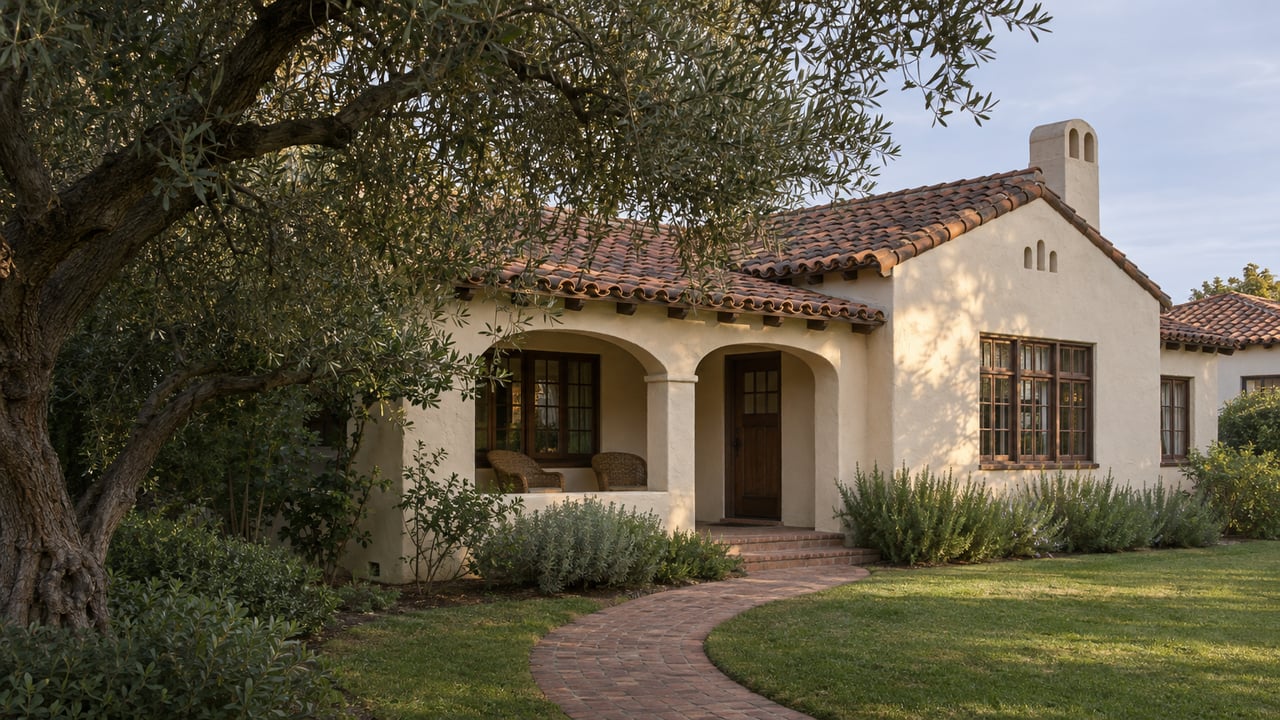
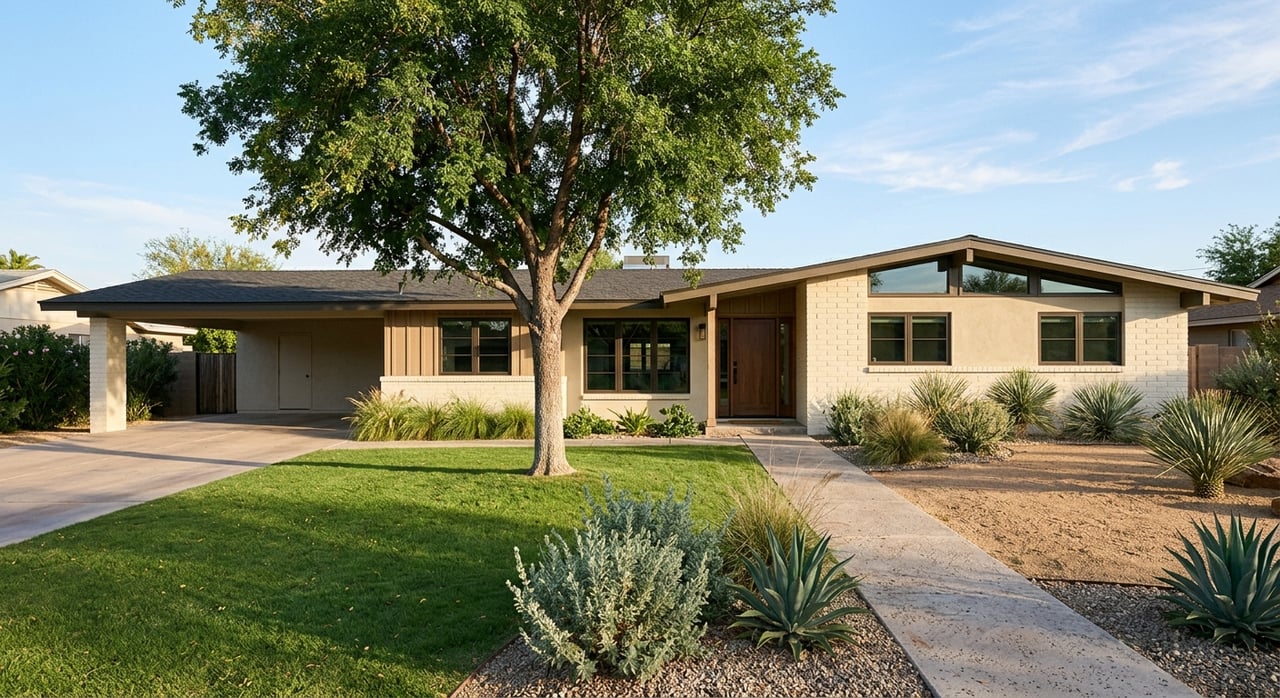
If architectural character matters to you, older Mesa neighborhoods may feel more interesting right away. West Second Street is the city’s oldest and most architecturally diverse historic district, with homes that include National Folk or Vernacular styles, Bungalows, and later Revival styles. In Temple, you can also find Bungalow, Tudor Revival, National Folk, and early Ranch homes.
That variety can make older neighborhoods feel more personal and less uniform. You may notice different rooflines, setbacks, porch styles, and lot layouts on the same street. For many buyers, that individuality is a major part of the appeal.
Newer Mesa Homes Feel More Consistent
Newer neighborhoods usually deliver a more coordinated appearance. Cadence’s community plan includes pedestrian-oriented block patterns, front porches or courtyards, and garage placement designed so garages do not dominate the front of the home. Some areas also use smaller lots, including lot standards under 75 feet wide and in some cases 50 feet or less.
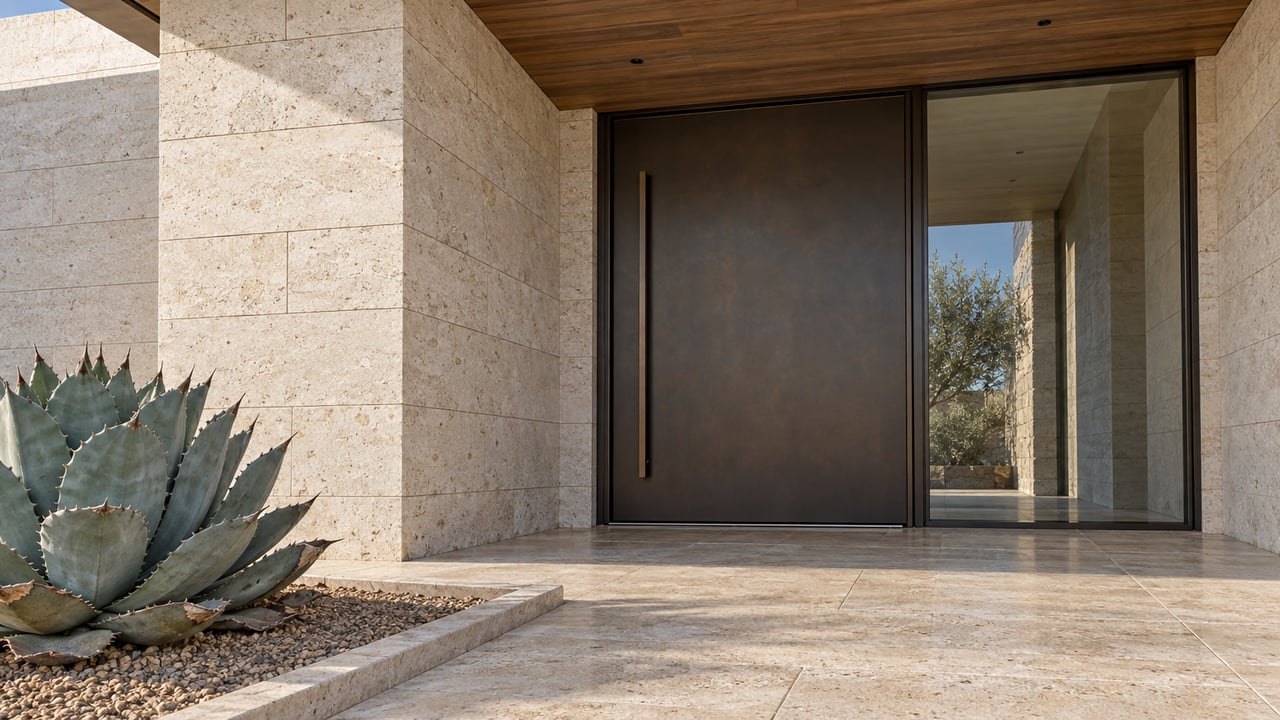
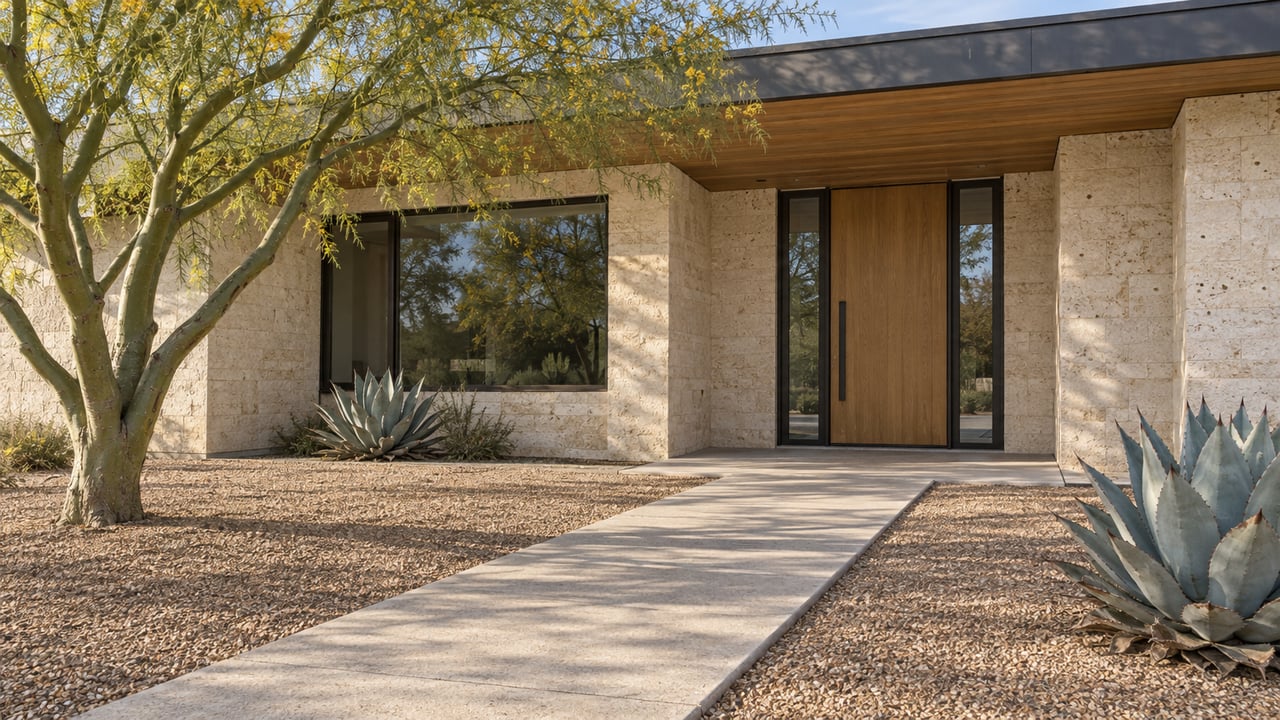
This kind of planning creates a polished, cohesive look. If you like the idea of a neighborhood where the streetscape feels intentional and consistent, a newer Mesa community may check that box. You are less likely to get surprise design changes from one house to the next.
Lot Sizes and Outdoor Space
Older Neighborhoods May Have More Unique Lots
Lot patterns in older Mesa can be a big part of the decision. West Side-Clark lots typically measured 60 feet wide by 111 to 122 feet deep, while Fraser Fields is known for large lots, broad green front yards, and custom-designed Ranch homes. In older areas, the lot itself may feel like part of the property’s personality.
That can be a real advantage if you want more outdoor flexibility or simply enjoy a less standardized layout. Larger or more unusual lots can also create more options for landscaping, outdoor entertaining, or future updates, depending on the property and any applicable rules.
Newer Neighborhoods Often Prioritize Efficiency
In newer master-planned areas, lot sizes are often smaller and more tightly organized. That does not automatically mean less livable outdoor space, but it usually means the land is used more efficiently. Community design often shifts some of the lifestyle value from private yard space to shared parks, paths, pools, and recreation areas.
For some buyers, that is a plus. If you want less yard maintenance and more community amenities, newer Mesa neighborhoods may be a better fit than a larger-lot older property.
Remodeling and Design Flexibility
Older Homes Can Bring Opportunity and Rules
Older Mesa homes often attract buyers who see remodel potential. Because the homes are more varied and many have been updated over time, you may find opportunities to personalize a property in meaningful ways. That said, it is important to look closely at what has already been done and what may still need work.
If a home sits in a designated historic district, exterior renovations and new development are subject to regulations meant to match the district’s historic character. Before you plan changes, you will want to verify what approvals may be required. This is one of the biggest practical differences between loving the charm of a historic area and living in one.
Newer Homes May Limit Exterior Changes
Newer communities can also have design rules, just in a different form. Eastmark requires prior design-review approval for exterior additions, landscaping, pools, patios, and exterior painting. Cadence also uses detailed standards for lot width, garage placement, and streetscape design.
That means newer neighborhoods may offer less guesswork in overall appearance, but also less freedom for exterior changes. If you want to customize a home over time, it helps to understand those standards early. A community’s polished look often comes with a more controlled approval process.
Amenities and Everyday Convenience
Older Mesa Connects You to Downtown
One of the biggest strengths of older central Mesa is proximity to downtown amenities. The City of Mesa says Historic Downtown Mesa includes independently owned shops, restaurants and bars, art, and special events, with much of it in a walkable setting. If you like being near an established mix of local businesses and activities, central Mesa has a lot to offer.
This kind of convenience feels different from a master-planned neighborhood. Instead of relying on a built-in amenity package, you are tapping into a broader downtown environment that has grown over time. For some buyers, that creates a more connected and flexible daily routine.
Newer Mesa Builds Amenities Into the Plan
Newer east Mesa communities often make amenities part of the neighborhood from day one. Cadence includes resort-style pools, a fitness center, a community center, parks, sports courts, walking and biking paths, and on-site shopping and dining. Eastmark’s Great Park includes a splash pad, lake, trails, paths, an event pavilion, and open fields, and the community also lists more than 75 neighborhood parks.
Eastmark also includes The Point at Eastmark, a 15-acre retail center anchored by a 62,000-square-foot Safeway. For many buyers, this means errands, recreation, and casual outings can happen close to home. If you want a neighborhood that feels self-contained, newer Mesa communities often deliver that experience well.
Commute and Access Considerations
Central Mesa Supports Transit Access
When you compare commute options, the answer is not simply older versus newer. Central Mesa has the strongest connection to the city’s transit network and the downtown light rail corridor. Mesa’s transit system includes local bus service, express service, Mesa Downtown Buzz, Mesa Fiesta Buzz, and Metro Light Rail.
If you want access to transit-based options, older central neighborhoods may be more attractive. The city’s Central Main Street Area Plan also aims for a mixed-use, transit-oriented pattern along the light rail extension. That can matter if you value location efficiency more than freeway convenience.
East Mesa Leans Toward Freeway Access
Newer east Mesa communities tend to lean more heavily on road access. Eastmark is described as convenient to the 101, 202, and 60 freeways and is also close to Phoenix-Mesa Gateway Airport. ADOT describes the Loop 202 Red Mountain Freeway as running eastward to US 60 in Mesa, and US 60 as a main link between the East Valley and Phoenix.
If your routine depends on driving, airport access, or reaching other parts of the Valley by freeway, east Mesa may feel more practical. This is one of the clearest trade-offs between central and newer edge growth areas in the city.
Which Type of Mesa Neighborhood Fits You?
Older Mesa neighborhoods usually make the strongest case if you value character, architectural variety, larger or more distinct lots, and closer access to downtown Mesa and transit. They can also appeal to buyers who enjoy the idea of updating a home with personality. The trade-off is that condition, renovation history, and historic-district rules may require extra attention.
Newer Mesa neighborhoods usually make the strongest case if you want newer construction, planned amenities, a more predictable neighborhood look, and strong freeway-based access. They often feel streamlined and convenient, especially if you like having parks, paths, and retail integrated into the community. The trade-off is that you may have less exterior design freedom and a more standardized setting.
The right fit depends on what matters most to you. If you are weighing Mesa neighborhoods and want help narrowing down the options based on your commute, budget, lifestyle, or renovation goals, Sara Weller Real Estate can help you compare the details and move forward with confidence.
FAQs
What are examples of older neighborhoods in Mesa, AZ?
- Older Mesa neighborhood examples include West Second Street, Temple, Evergreen, Fraser Fields, and West Side-Clark.
What are examples of newer neighborhoods in Mesa, AZ?
- Newer Mesa neighborhood examples include Eastmark and Cadence at Gateway on the city’s east side.
Do older Mesa neighborhoods have historic district rules?
- Some do. If a home is in a designated historic district, exterior renovations and new development are subject to regulations intended to match the district’s historic character.
Are newer Mesa neighborhoods more uniform in appearance?
- Yes. Newer master-planned communities in Mesa often use detailed design standards for lot layout, garage placement, streetscape design, and exterior changes.
Is central Mesa better for transit access?
- Central Mesa has stronger ties to the city’s transit network, including local buses, express service, downtown circulators, and Metro Light Rail.
Do newer Mesa neighborhoods offer more built-in amenities?
- Many do. Communities like Cadence and Eastmark include parks, paths, recreation areas, and nearby shopping as part of the overall neighborhood plan.