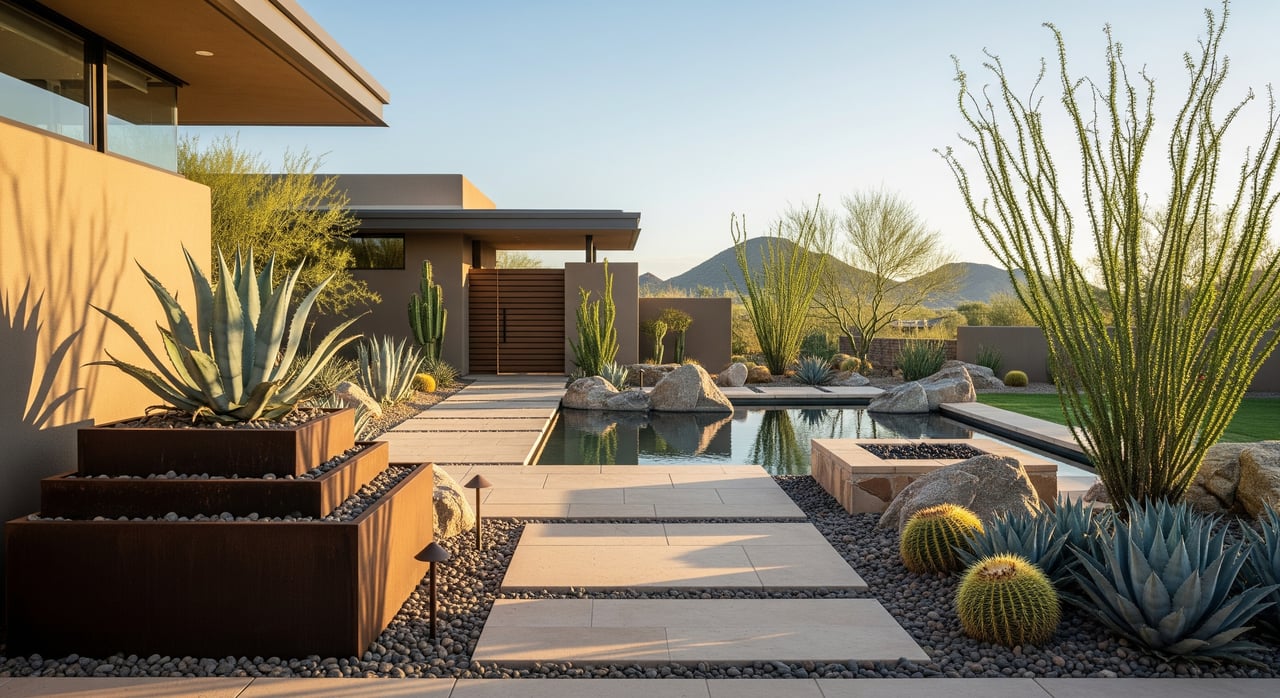
What if your next backyard stayed cool, inviting, and low-maintenance even through a Phoenix summer? If you are eyeing homes in Peoria or nearby North Mountain Village, you want a yard that looks great, uses less water, and fits our Sonoran Desert climate. In this guide, you will learn the basics of desert landscaping, the plants that thrive here, how to handle irrigation, and what to watch for when buying a home with an existing xeriscape. Let’s dive in.
Why desert landscaping matters here
Summer highs often reach 100 to 110°F, winters are mild, and most rain arrives during the monsoon from mid-June through September. In this climate, plants and soil lose moisture quickly, so water-wise design protects your yard and your budget. The region’s water comes from a mix of sources, and ongoing drought has pushed cities and utilities to support conservation.
If you are comparing Peoria and North Mountain Village, remember that watering rules and incentives can vary by city and water provider. Start by confirming the property’s city, utility, and HOA before you change a yard or add irrigation.
Know the rules and incentives
- Municipal watering schedules can limit watering days or times, especially in summer. Verify rules with the specific city and water provider for the property.
- Rebate programs often help pay for turf removal, drip irrigation, or smart controllers. Availability and amounts change, so check current programs before you buy equipment.
- HOAs may list allowed plants, groundcovers, and tree sizes. Review CC&Rs early so you do not pay for fixes later.
Xeriscape basics: plan like a pro
- Plan and design: group plants into hydrozones by water need. Place higher-use areas like patios where they get shade and airflow.
- Improve soils where needed: add organic matter in planting pockets to help roots establish.
- Efficient irrigation: choose drip for shrubs and trees, and avoid overwatering.
- Right plants, right place: use native or well-adapted species matched to sun, shade, and exposure.
- Mulch: rock or organic mulch cuts evaporation and cools soil.
- Minimize turf: keep lawn only where you need it for play or pets.
- Maintain smartly: prune seasonally, adjust irrigation, and control weeds.
Design tips that beat the heat
- Prioritize shade on the west and south sides to cool walls and outdoor living areas.
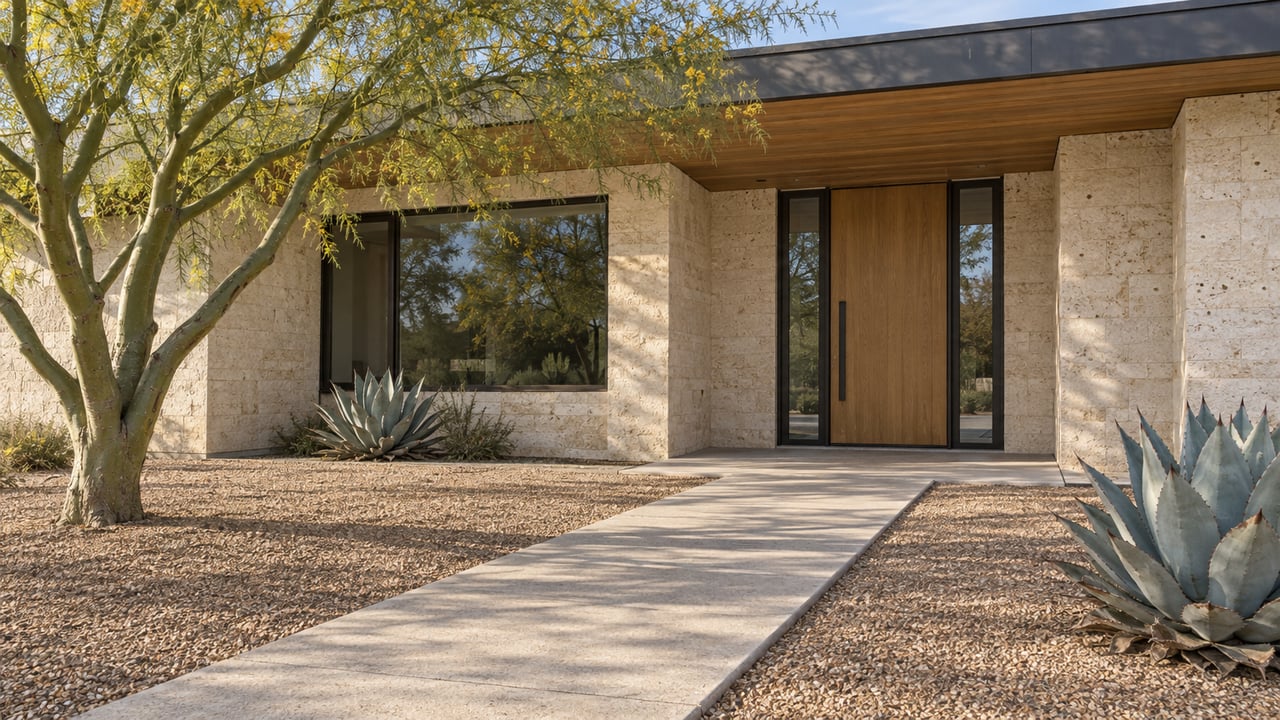
- Use permeable hardscape like decomposed granite to reduce runoff and improve infiltration.
- Create separate drip zones for trees, shrubs, and accent plants so each gets the right amount of water.
Sonoran plants that thrive
Shade trees
- Desert Museum palo verde: fast-growing canopy and spring flowers. Prune for good structure.
- Mesquite varieties: deep-rooted and drought tolerant, with pods that need occasional cleanup.
- Ironwood: very drought tolerant and slow-growing with an excellent native canopy.
Plant with room for mature canopy, and water deeply during the first one to two years to build deep roots.
Flowering trees and large shrubs
- Desert willow: summer blooms and prefers well-drained soil.
- Texas ebony and Palo Blanco: low-water choices, but confirm mature size for your space.
Shrubs and accents
- Creosote bush: very low water and minimal maintenance.
- Brittlebush: bright yellow blooms in spring to summer.
- Fairy duster: low water with winter to spring flowers.
- Texas or Silver-leaf sage: blooms after rain and handles heat well.
- Apache plume: attractive foliage and soft seed plumes.
Groundcovers, grasses, and perennials
- Deer grass: a native clumping grass that is good for slopes and accents.
- Trailing rosemary and lantana: drought tolerant in many varieties. Confirm water needs when you select.
- Mix groundcovers with decomposed granite to reduce turf and keep paths usable.
Cacti and succulents
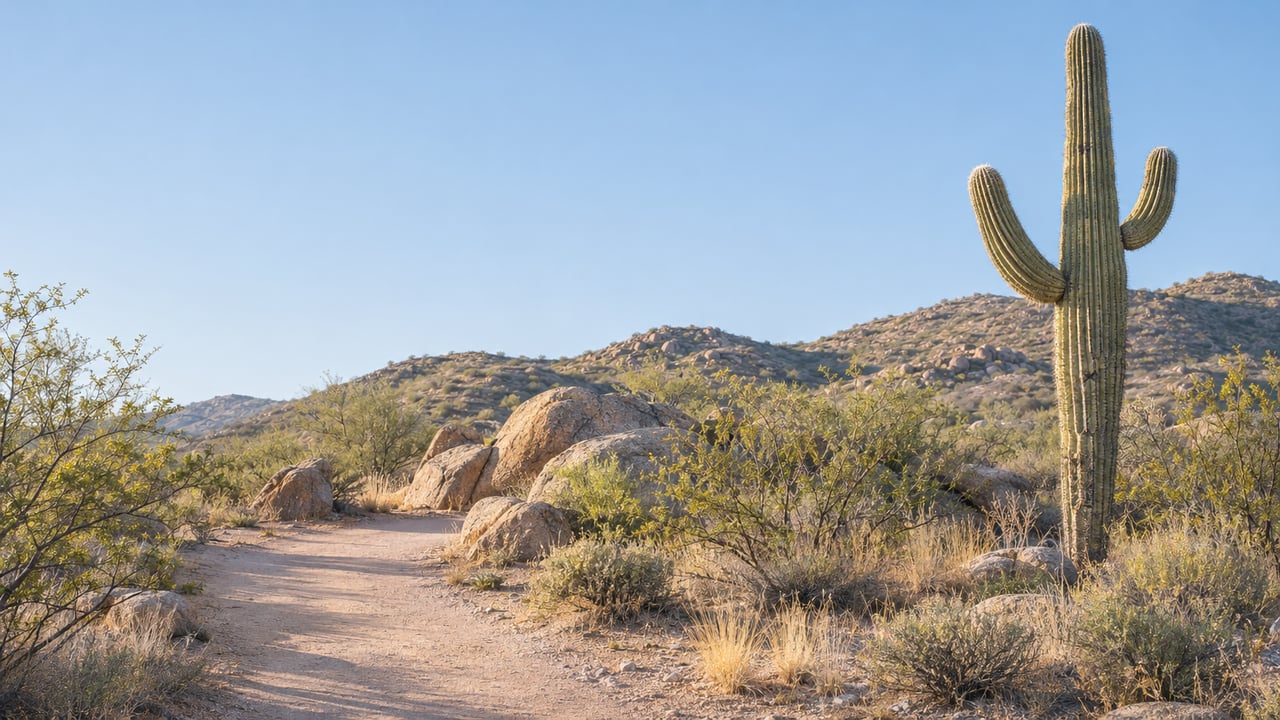
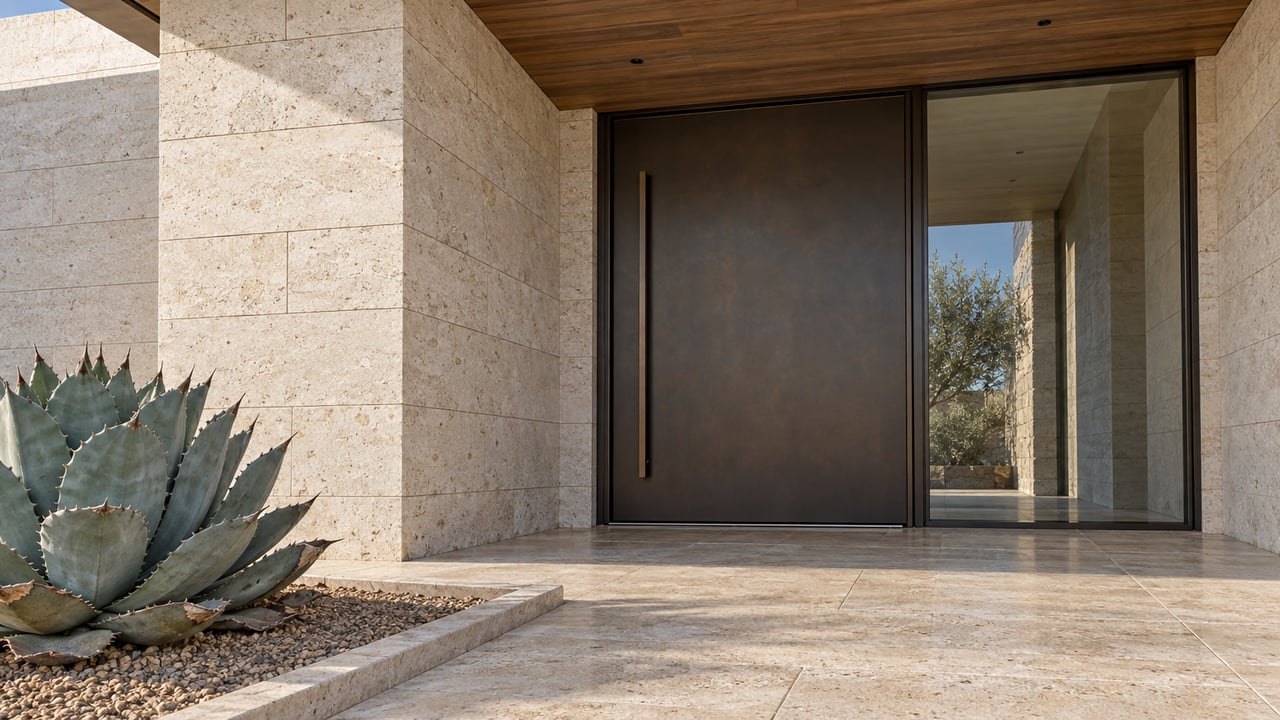
- Agave, prickly pear, clumping cacti, and aloe: very low water once established. Place away from walkways and areas used by children or pets.
Lawns and turf
- If you want a play lawn, choose warm-season varieties and plan for higher water use. Limit turf area to keep bills in check.
- Artificial turf is an option with trade-offs like heat and cost. Confirm HOA approval.
Irrigation made simple
- Drip and micro-irrigation: best for shrubs, trees, and beds. Emitters deliver water to the root zone and limit evaporation.
- Micro-sprays and bubblers: helpful for some shrub areas, but can lose more water than drip.
- Spray heads and rotors: reserve these for turf.
- Smart controllers: weather-based or soil-sensing systems that adjust for temperature and rain. Rebates are often available.
Scheduling principles
- Water deeply and infrequently to encourage deep roots. Reduce frequency during monsoon storms and in winter.
- For new plantings in hot months: water more often at first, then shift to deeper, less frequent cycles as roots develop.
- Ballpark in summer, then adjust by soil, plant size, and microclimate:
- Newly planted trees: deep soak every 3 to 7 days at first, then every 1 to 2 weeks when established.
- Shrubs on drip: 1 to 3 sessions per week in peak heat.
- Established cacti and succulents: minimal supplemental water except during extended dry spells.
Test soil moisture and fine-tune schedules. A smart controller or soil sensor can take the guesswork out.
Maintenance and costs you can expect
- Spring: prune dead wood, tune irrigation, refresh mulch, and add slow-release fertilizer if needed.
- Summer: adjust for monsoon, control weeds, and watch for pests and heat stress.
- Fall: reduce irrigation gradually and plant new trees and shrubs while it is cooler.
- Winter: minimal irrigation for low-water plants, and protect tender species during cold snaps.
A well-designed xeriscape can take less weekly work than turf. Expect seasonal pruning, weed control, and irrigation checks. Initial conversion costs vary with scope, but long-term water and mowing costs are usually lower than a lawn-heavy yard.
Resale appeal in Maricopa County
Buyers in arid regions often value water-wise yards. Clean, well-kept xeriscapes with shade trees and usable outdoor areas can boost curb appeal. Poorly executed landscapes with neglect or awkward plant placement can do the opposite, so design and upkeep matter.
Buying a home with existing xeriscape
- Irrigation system: look at the controller type, drip lines, emitters, and pressure regulators. Ask for last service date.
- Plant placement: confirm trees have proper clearance from the home and that hydrozones make sense.
- HOA and city rules: verify allowed plants, rock choices, and any permit needs for drainage or hardscape changes.
- Turf and water bills: assess lawn size and ask for recent utility bills for context.
- Photos and notes: request seasonal photos to understand how the yard looks in winter and after monsoon storms.
A simple first-year plan
- Map the sun and shade on your lot, and group plants by water need.
- Install or upgrade to drip irrigation, and add a smart controller if possible.
- Plant in fall or early spring, then add mulch around root zones.
- Start with deep, less frequent watering, and adjust through the seasons.
- Add one or two shade trees on the west or south side to cool outdoor areas.
- Schedule seasonal tune-ups in spring and pre-monsoon.
Ready to choose a home with a yard that fits your lifestyle and our climate? If you want help comparing landscaping types across Peoria and North Mountain Village or want local contractor referrals, reach out to Sara Weller Real Estate. We will help you navigate rules, incentives, and design choices so you can enjoy your outdoor space from day one.
FAQs
What is xeriscape in the Phoenix area?
- Xeriscape is a water-wise approach that uses planning by hydrozone, desert-adapted plants, drip irrigation, and mulch to create attractive, low-water yards suited to our Sonoran Desert climate.
How often should I water desert plants in summer?
- Water deeply and less often, then adjust by plant type and soil; newly planted trees may need a deep soak every 3 to 7 days at first, while established shrubs often do well with 1 to 3 drip sessions per week.
Are lawns allowed in Peoria or North Mountain Village?
- Yes, lawns are allowed, but they use more water than xeriscape; consider limiting turf to active-use areas and confirm any local watering schedules or HOA guidelines.
Do HOAs restrict plant choices or rock color?
- Many HOAs publish approved plant lists, groundcover styles, and tree size guidelines; review CC&Rs before making changes so your yard stays compliant.
What desert trees provide good shade with low water?
- Desert Museum palo verde, mesquite varieties, and ironwood are reliable shade options when given proper space and deep, infrequent watering.
Can smart irrigation controllers lower my water use?
- Smart controllers adjust run times based on weather or soil moisture, which typically reduces waste and helps you right-size watering through heat waves and monsoon rains.