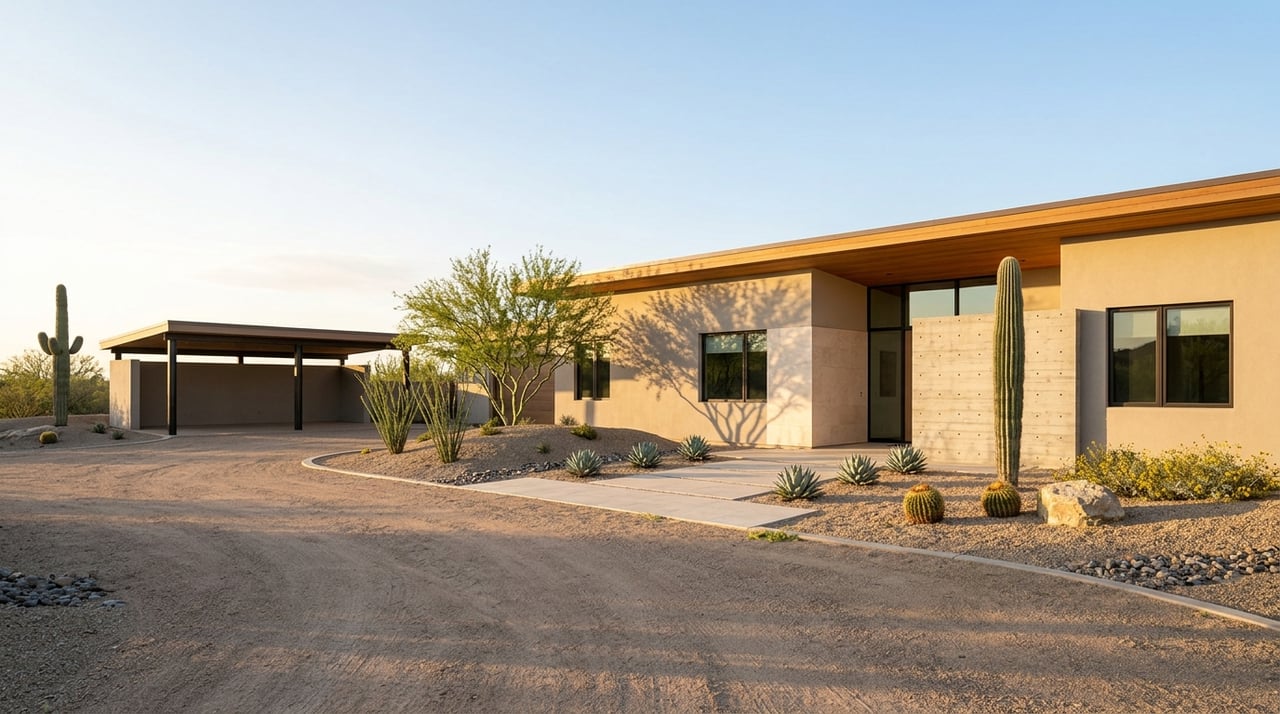
If you are dreaming about room for horses, trail access, and a little more breathing space, buying in Cave Creek can feel like the perfect fit. But horse property and raw land purchases here come with a different set of rules than a typical subdivision home. If you want to buy with confidence, you need to look closely at zoning, utilities, access, and long-term use before you fall in love with a parcel. Let’s dive in.
Why Cave Creek Appeals to Horse-Property Buyers
Cave Creek is known for its rural desert feel and low-density development pattern. The town describes itself as a 38-square-mile community focused on outdoor recreation, with average residential lot sizes of more than 2 acres.
That setup matters if you want space for horses or simply want more land around you. Cave Creek also offers access to about 50 miles of non-motorized trails, which makes lifestyle access a real part of the buying decision, not just a bonus feature.
Start With Zoning, Not Acreage
One of the biggest mistakes buyers make is assuming that any property with acreage qualifies as horse property. In Cave Creek, the zoning district and lot configuration come first.
The residential code includes Desert Rural zones called DR-190, DR-89, DR-70, and DR-43. Those minimum lot sizes are about 4.4 acres, 2.0 acres, 1.6 acres, and 1.0 acre, respectively.
For private ranch use, Cave Creek requires at least 2 contiguous acres under single ownership. That means a listing can advertise land, but still not meet the town’s standard for the kind of horse setup you may have in mind.
Desert Rural Zones Matter Most
The most horse-friendly parcels are generally in Desert Rural zoning. Smaller S and MR parcels may allow limited small ranch animals, but they do not offer the same legal framework for horse-property improvements and use.
If you are comparing properties, ask for the exact zoning designation early. That one detail can shape what you can build, what animals you can keep, and whether the property fits your goals at all.
What Private Ranch Use Can Include
Cave Creek’s code allows a fairly broad range of equine-related uses within private ranch use. That can include boarding, breeding, equine training, equine lessons, the sale of ranch animals, and 4-H or other youth-related activities.
That said, not every horse-related idea fits within the code. The town excludes dairies, liveries, livestock sale barns, retail sales of hay, feed, or tack, animal shelters, and ranch activities open to the public with an entry fee or donation.
Commercial Use Has Extra Rules
If you plan to use a property for commercial ranch operations, expect additional requirements. The code says commercial ranch operators must live on-site and have direct access to at least a designated collector road.
The town also requires plans for manure, turnout, fly control, and dust control as part of the special-use process. In other words, a property that works for personal horse use may not automatically work for a business model.
Barns, Corrals, Fences, and Other Improvements
Horse-property buyers often focus on the house first, but the improvement rules can be just as important. In Cave Creek, corrals, barns, horse shades, and detached accessory living quarters are restricted to Desert Rural parcels.
Setbacks matter too. Fences, including corral fences, must be at least 12 feet from property lines, and manure storage must be at least 60 feet from all property lines.
Outdoor arenas, stables, and corrals also cannot be illuminated after 10:30 p.m. These details may seem small at first, but they can affect how you lay out the property and how much usable space you really have.
Raw Land Has a Different Timeline
If you are buying vacant land, the process can be more layered than many buyers expect. Cave Creek says accessory buildings or uses cannot begin until the principal use is established.
That means you typically cannot jump straight into building a barn or horse setup without first establishing the main permitted use. Zoning clearance and building permits are required before those accessory improvements are built.
Trail Access Is More Than a Lifestyle Bonus
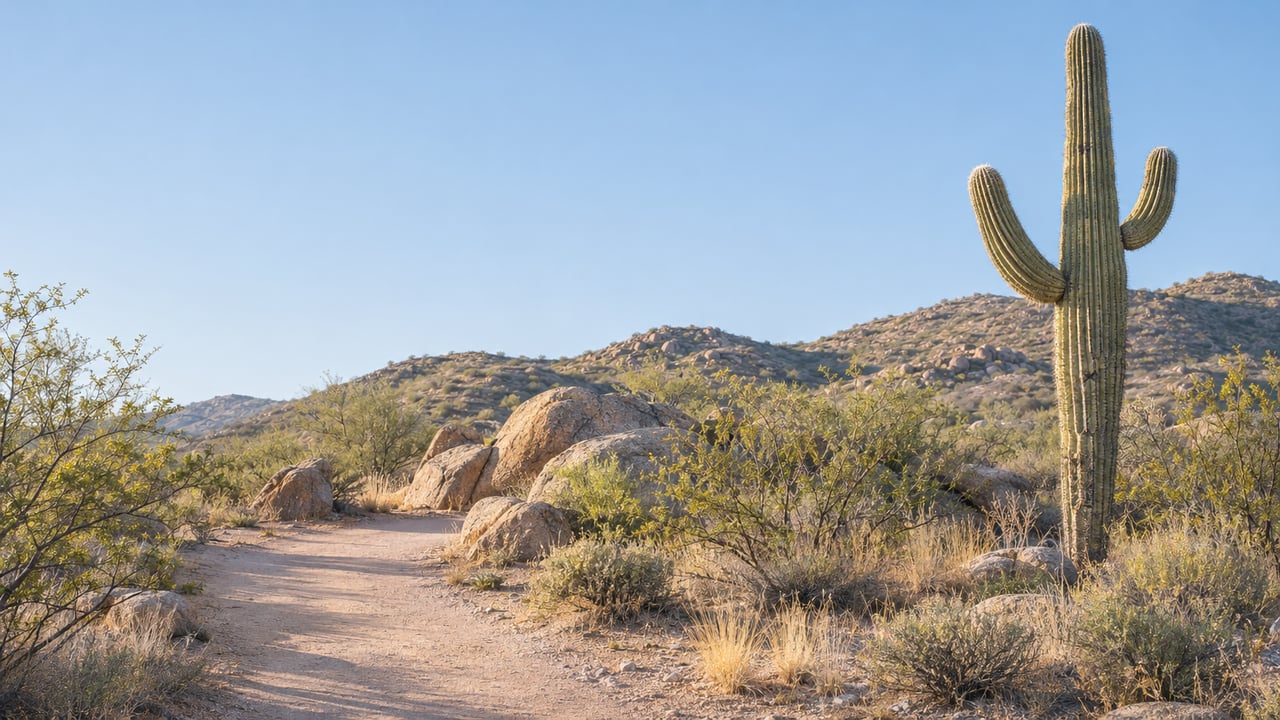
In Cave Creek, trail access can be a practical location filter. The town’s trail network connects neighborhoods to the Town Core, Spur Cross Ranch Conservation Area, Cave Creek Regional Park, Desert Foothills Land Trust properties, the Tonto National Forest, and the Maricopa Trail.
For many horse-property buyers, that connectivity shapes daily life. Instead of trailering out every time you want to ride, you may be able to prioritize locations that make access easier.
The town also notes that horses, bicyclists, and pedestrians share designated trails, and horses have the right of way. That shared-use structure is good to understand if trail etiquette and regular riding access are part of your must-have list.
Nearby Recreation Areas to Know
Spur Cross Ranch Conservation Area covers 2,154 acres and includes eight trails for hiking, biking, and horseback riding. Cave Creek Regional Park offers more than 11 miles of trails and includes a horse staging area.
If riding access is part of your plan, it helps to think beyond the parcel lines. A great property in the wrong location may not support the day-to-day lifestyle you want.
Utilities Can Change the Math
Acreage purchases often come with a different utility picture than suburban homes. Some Cave Creek properties are served by Cave Creek Utilities, which manages the town’s drinking water and wastewater systems and the Desert Hills Water System in portions of unincorporated Maricopa County.
The town also offers a water portal that lets customers monitor usage, manage multiple meters, and set leak or threshold alerts. That kind of tracking can be especially useful on larger properties where water use can add up quickly.
Water planning is also an important local issue. In its 2026 State of the Town, Cave Creek said it depends on the Central Arizona Project for nearly 90% of its water, expects at least a 20% CAP reduction in 2027, and is banking water while bringing wells back online as part of contingency planning.
If you are buying acreage, it is smart to budget carefully for irrigation and total water demand. A larger lot can bring more flexibility, but it can also bring more utility cost.
Wells and Septic Need Extra Attention
Many rural and acreage parcels rely on private wells and septic systems. Maricopa County says some isolated or unincorporated areas depend on privately owned domestic wells that the county does not regulate or monitor, and the well owner is responsible for water safety.
If a property has no public water or sewer service, you should confirm what is in place and whether it is legally permitted. Maricopa County directs buyers to county environmental services for septic installation and permitting, and to the Arizona Department of Water Resources for groundwater and well-drilling questions.
Shared Wells Have Specific Requirements
If the property uses a shared well, ask for the recorded well agreement right away. Maricopa County says shared-well agreements must be recorded and include easements, legal descriptions, ownership and cost-sharing terms, and a survey map.
The county also says a shared well may serve no more than 15 lots or houses. It further notes that private wells must be more than 100 feet from septic systems, and it does not guarantee potable water at the site.
Floodplain and Drainage Checks Matter
Large lots can create a false sense of security. Maricopa County notes that flood risk can change over time, and Cave Creek falls within the county’s floodplain management jurisdiction.
That means buyers should verify current flood maps and review site drainage instead of assuming the parcel is fine because it is spacious or near other homes. This is especially important on wash-adjacent parcels or land with visible drainage paths.
Financing May Look Different
Horse property and raw land do not always fit the same lending box as a standard home in a subdivision. In practice, larger acreage, unusual improvements, agricultural income, or properties that are harder to appraise can lead to more lender questions.
That can mean more shopping, more documentation, and closer review of collateral and appraisal rules. If financing is part of your plan, it helps to talk through those details early so you understand what a lender may require.
A Smart Due-Diligence Checklist
Before you buy land or horse property in Cave Creek, it helps to slow down and verify the details that affect everyday use. A standard home inspection is often not enough on its own.
Here are some of the most important items to review:
- Confirm the zoning district and whether the parcel qualifies for your intended use
- Verify lot size and whether the land includes 2 contiguous acres under single ownership if private ranch use is your goal
- Review permits for barns, corrals, fences, and other ranch improvements
- Check whether water and sewer are public, private well, shared well, or septic
- Order well testing when applicable
- Schedule a septic inspection when applicable
- Review floodplain maps and site drainage
- Confirm legal access to the property
- Ask for a utility map and any available site plan showing well and septic layout
- Request the recorded shared-well agreement if the property is on a shared system
Buying With the Right Local Strategy
Cave Creek can be an incredible place to buy land or horse property, but the right purchase usually comes down to details that are easy to miss online. The best property for you is not just the one with the prettiest setting. It is the one that supports your intended use, fits your budget, and works for your lifestyle long after closing.
If you are comparing properties in Cave Creek and want help sorting through zoning, land-use questions, or the practical trade-offs between parcels, Sara Weller Real Estate can help you make a smart, well-informed move.
FAQs
What qualifies as horse property in Cave Creek AZ?
- In Cave Creek, acreage alone does not make a property legal horse property. Zoning and lot configuration matter, and private ranch use starts at 2 contiguous acres under single ownership.
Can you build a barn or corral on any acreage parcel in Cave Creek?
- No. Cave Creek restricts corrals, barns, horse shades, and detached accessory living quarters to Desert Rural parcels.
What should you check on a Cave Creek property with a well?
- You should verify ownership, legal permitting, water safety responsibility, setback distances, and whether there is a recorded shared-well agreement if the system is shared.
Does trail access matter when buying horse property in Cave Creek?
- Yes. Cave Creek’s trail network connects neighborhoods to major recreation and equestrian areas, so location can directly affect day-to-day riding access.
Is financing harder for land or horse property in Cave Creek?
- It can be. Properties with larger acreage or non-standard features may require more lender review, more documentation, and closer attention to appraisal and collateral rules.