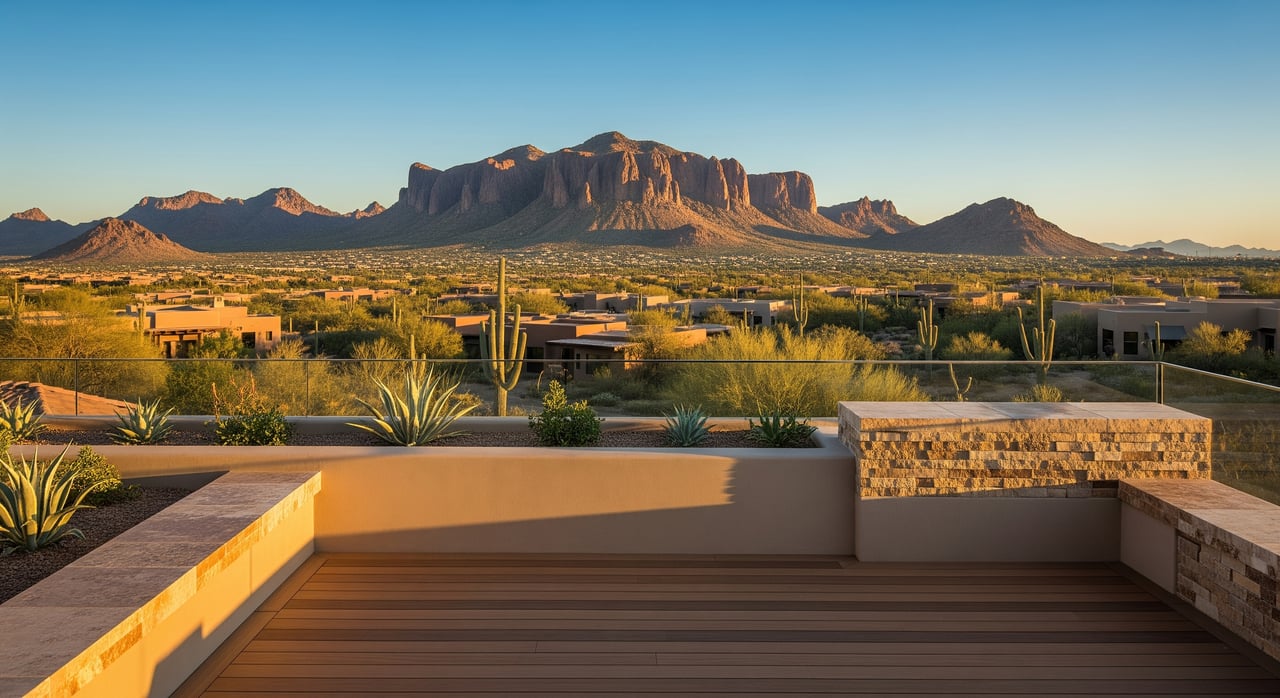
Love the idea of waking up to the Superstition Mountains outside your window? A view lot in Gold Canyon can deliver daily sunrise colors, big skies, and a quieter desert feel. You also take on a few extra decisions about sun exposure, slope, drainage, utilities, and long-term upkeep. In this guide, you’ll learn how to evaluate orientation, topography, wildfire risk, rules, and resale so you buy the right lot with fewer surprises. Let’s dive in.
Why Gold Canyon views stand out
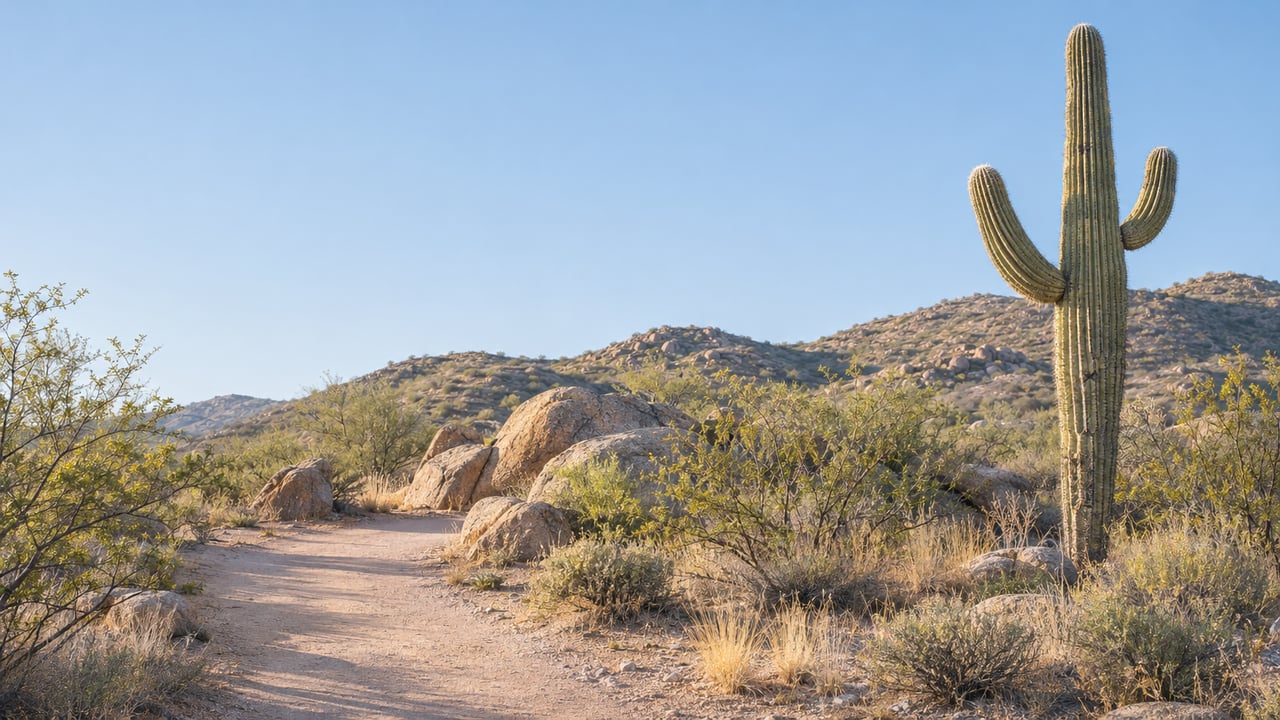
Gold Canyon stretches along the western foothills of the Superstition Mountains. Lots range from flat desert parcels with distant mountain backdrops to sloped foothill and ridge sites with dramatic panoramas. The Sonoran Desert landscape means low native vegetation, iconic saguaros, and rugged mountain forms that define the views.
Lot types to compare
- Flat desert lots: Easier and cheaper to build. Distant views may be more vulnerable if nearby homes go up later.
- Sloped or foothill lots: Closer, more dramatic views and more privacy. Expect higher costs for grading, retaining walls, and engineered foundations.
- Ridge or elevated lots: Panoramic outlooks on multiple sides. Plan for more sun and wind exposure, and potentially higher access and utility extension costs.
Climate and seasons
Summers run very hot, while winters are mild and comfortable. Monsoon storms arrive in July through September and bring intense, short bursts of rain. That pattern makes orientation, shading, and drainage big factors in both comfort and maintenance.
Orientation and design basics
View quality is more than a compass direction. You want a clear view corridor toward the mountains and a plan that manages heat and glare.
Sun and comfort
- South-facing glass brings welcome winter sun and warmth.
- West-facing glass drives late-day summer heat and glare. Use overhangs, louvers, deep eaves, and exterior shades to stay comfortable.
- East-facing views often mean cooler mornings, mountain sunrises, and less evening heat.
Wind, dust, and airflow
Higher and more exposed sites can feel windier. Breezes can cool outdoor spaces but also carry dust. Strategic window placement, screened outdoor rooms, and good air filtration help you enjoy fresh air without coating interiors in dust.
Design moves that help
- Place main living areas and patios on the view side to maximize daily enjoyment.
- Use clerestory or horizontal window bands to capture mountain silhouettes while limiting heat gain.
- Add native landscaping that frames the view and supports privacy without blocking sight lines.
Elevation, slope, and drainage
A few hundred feet of elevation change can alter views, wind, and sun exposure. With better panoramas can come steeper driveways, more intense sun, and the need for stronger exterior materials.
Buildable area and cost
Hillside parcels often have smaller building pads. That can increase costs for grading, terracing, retaining walls, and engineered foundations. Plan for driveways that meet safe slope guidelines and may require retaining structures.
Monsoon drainage
Monsoon downpours can concentrate runoff and move silt. Many sites need engineered features like swales, retention basins, riprap, and erosion matting. Keep those systems clear before and after storm season to protect pads, patios, and driveways.
Utilities and water
Remote or higher lots may require longer runs for power, water, sewer, and internet. Some parcels rely on septic and either municipal water, a private water company, a community well, or a private well. Confirm service options and well or water rights early with the Arizona Department of Water Resources.
Privacy, vegetation, and wildfire
Low desert vegetation offers limited natural screening, so privacy usually comes from smart planting, topography, and thoughtful window and patio placement.
HOA rules and CC&Rs
In gated or planned communities, CC&Rs may guide exterior materials, landscaping, fencing, and even height limits. These rules can help protect view corridors and neighborhood aesthetics, but they also affect your design options and maintenance.
Wildfire readiness
Gold Canyon sits near natural foothills, so wildfire is a real consideration. Plan 30 to 100 feet of defensible space with low-flammability plants, keep fuels reduced, and consider fire-resistant exterior materials. Use state guidance and local fire district input, starting with the Arizona Department of Forestry and Fire Management for mapping and mitigation best practices.
Rules, permits, and mapping
Before you fall in love with a view, check the rules and maps that affect buildability and insurance.
Floodplains and washes
Desert parcels can include ephemeral washes even if the ground looks dry. Verify whether a lot sits in a FEMA-designated flood zone, and look for drainage easements. Start with the FEMA Map Service Center for parcel-level flood maps.
Septic, wells, and soils
Many rural lots use septic systems that require soil testing and permitting. Water sources vary by parcel, and wells require permits and careful due diligence. Confirm water and well details with the Arizona Department of Water Resources. For site suitability and drainage tendencies, review soils through the NRCS Web Soil Survey and engage an engineer for slope and foundation guidance.
Pricing and resale
View lots often command a premium. The size of the premium depends on view quality, how permanent the view is, and how usable the lot is.
What drives premiums
- Protected view corridors or adjacency to open space often hold value better than views that could be blocked by future builds.
- Orientation that pairs great views with manageable heat and glare is more marketable.
- Established communities with clear design standards can support resale confidence for many buyers.
Tradeoffs to weigh
- Steep driveways and complex foundations can shrink the buyer pool later.
- Heavy west exposure can increase cooling costs and deter energy-conscious buyers.
- Remote access or uncertain utilities can limit financing and add upfront cost.
Budget items to plan
- Grading, retaining walls, and engineered drainage.
- Longer utility runs or trenching and potential septic installation.
- Driveway construction and ongoing maintenance.
- Exterior materials that withstand high UV, plus regular resealing and repainting.
- Landscape establishment and annual defensible-space upkeep.
Due diligence checklist
Use this checklist to compare view lots with confidence.
Verify the view and exposure
- Visit at sunrise, midday, and sunset to test glare, heat, and light quality.
- Stand where living and patio spaces would be and confirm the view corridor.
- Ask about planned builds nearby that could block sight lines.
Check rules and risks
- Review setbacks, grading limits, and any hillside guidelines with county planning.
- Pull flood maps from the FEMA Map Service Center.
- Confirm water service, well status, and area rules with the Arizona Department of Water Resources.
- Assess wildfire risk and mitigation steps using the Arizona Department of Forestry and Fire Management.
Validate soils, slope, and systems
- Look up soils on the NRCS Web Soil Survey and hire a soils engineer if the lot slopes.
- If septic is likely, plan for percolation testing and design.
- Get bids for utility extensions and road or driveway construction.
Compare long-term costs
- Site prep, drainage, and retaining walls.
- Driveway upkeep and dust control for unpaved access.
- Exterior finish cycles, landscape care, and defensible-space work.
Buying a view lot in Gold Canyon is about balancing daily joy with smart planning. When you match the right orientation, slope, drainage, and utility setup to your lifestyle, you get a home that feels amazing today and resells with confidence tomorrow. If you want a second set of eyes on a specific parcel or need help coordinating the right inspections and permits, reach out to Sara Weller Real Estate for local, education-first guidance.
FAQs
What should I check first on a Gold Canyon view lot?
- Start with flood maps, water or well status, and basic slope and soils to confirm the lot is buildable and insurable.
How does west-facing glass affect comfort and costs?
- West-facing windows can drive afternoon heat and glare in summer, so you may need deeper overhangs and exterior shading to control cooling costs.
Do all view lots need engineered drainage in monsoon season?
- Not all, but many benefit from swales, basins, and erosion control to handle intense storm bursts and protect pads and driveways.
Are ridge or elevated lots always better for resale?
- They offer big views and privacy, but higher sun and wind exposure, longer driveways, and maintenance can limit the buyer pool if not designed well.
How can I reduce wildfire risk near the Superstition Mountains?
- Create defensible space, choose low-flammability landscaping, and use fire-resistant materials based on state guidance and local fire district input.