Wondering if a condo in Fountain Hills could give you the Arizona lifestyle you want without the constant upkeep? If you like the idea of scenic desert views, easy travel, and a home you can lock up and leave with more confidence, this market deserves a closer look. Buying the right condo here starts with understanding how Arizona condo ownership works, what the HOA really covers, and which details matter most before you commit. Let’s dive in.
Why Fountain Hills Works for Lock-and-Leave Living
Fountain Hills has a lot going for buyers who want a lower-maintenance home base. The town describes itself as a master-planned community with natural desert terrain, strong mountain views, and access to hiking, biking, boating, and golf. It also has one of its most recognizable features: the fountain, which the town says is the tallest in the United States and the third tallest man-made fountain in the world.
That lifestyle matters when you are choosing between a condo and a more maintenance-heavy property. In Fountain Hills, you can enjoy outdoor access and scenic surroundings without taking on a large yard or extensive exterior upkeep. For many buyers, that is the heart of lock-and-leave living.
The town also offers 119 acres across five developed parks, plus access to the Golden Eagle and Adero Canyon trailheads. If you want an active routine, a condo can let you spend more time on the trails and less time worrying about home chores. That balance is a major reason many seasonal owners and downsizers look here.
Fountain Hills has nearly 24,000 residents and a median age of 58, according to the town’s community profile. The same profile notes a wide range of housing options, from small condominium complexes to large custom homes, along with recreational and cultural programs. That mix can appeal if you want a quieter suburban setting than more central parts of Greater Phoenix.
What a Condo Owns in Arizona
Before you buy, it helps to know what you are actually purchasing. In a condo, you generally own your individual unit while shared areas are owned collectively through the association. That setup is a big part of why condos often fit buyers who want easier day-to-day ownership.
Under Arizona’s Condominium Act, the association is generally responsible for maintaining, repairing, and replacing the common elements. The unit owner is generally responsible for the unit itself. In plain terms, that often means less exterior responsibility for you than with a detached home, but you still need to understand the exact boundaries in the condo documents.
Condo fees are a key part of that arrangement. Research from Fannie Mae notes that these fees may help pay for exterior repairs, common-area maintenance, some utilities such as water, sewer, and trash, recreational amenities, insurance, and reserve funding. The Consumer Financial Protection Bureau also notes that condo or HOA dues are usually separate from your mortgage payment, so they need to be part of your monthly budget from the start.
Why Balconies, Patios, and Views Matter
In Fountain Hills, outdoor living is a big part of the appeal. But if a listing highlights a balcony, patio, porch, or view space, you should confirm exactly how that area is classified in the condo documents.
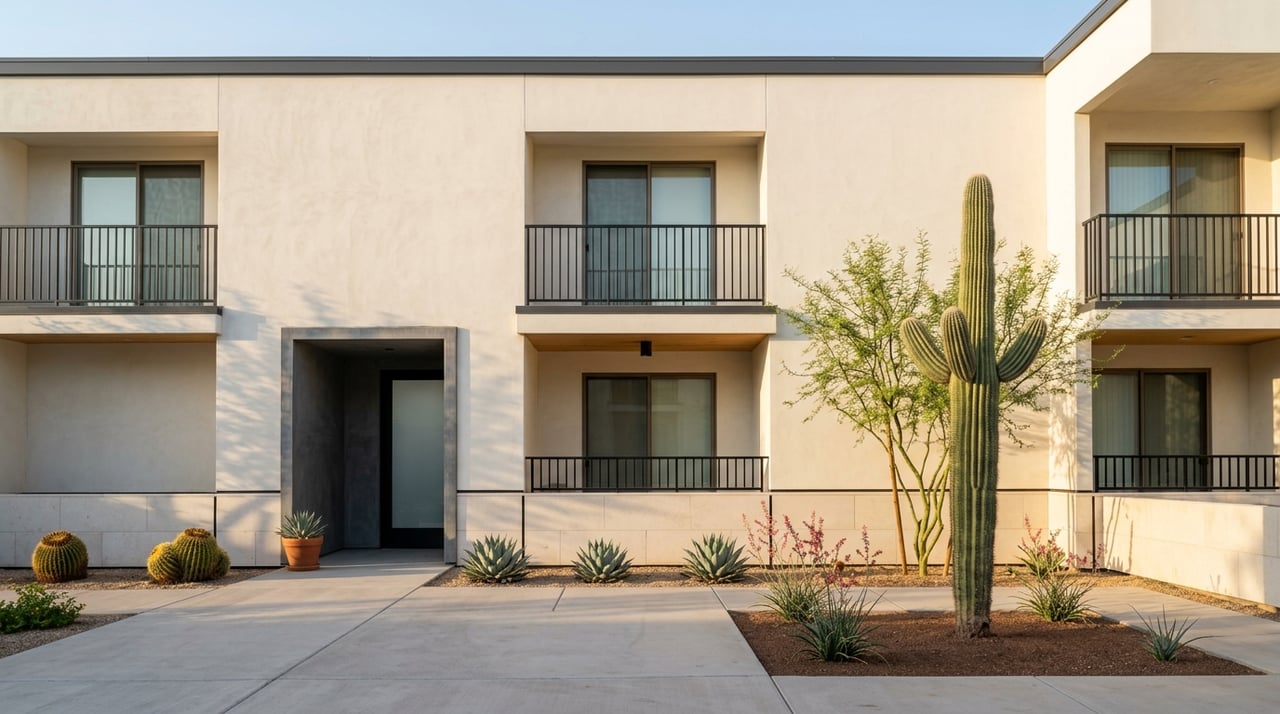
Arizona law treats some spaces as limited common elements, which are parts of the common elements reserved for the exclusive use of one or more units, but not all owners. The law specifically references porches, balconies, patios, and entryways in that framework. That means the area may be for your use, but the legal ownership and maintenance responsibilities may differ from what you assume.
This is one of those details that can affect both lifestyle and long-term costs. If outdoor space is high on your list, the declaration matters just as much as the floor plan or the view.
Look Beyond the Year Built
When buyers shop condos, it is easy to focus on appearance and age. But with lock-and-leave living, the more important question is often how well the building is maintained and whether the association is financially prepared for major repairs.
Arizona resale law gives condo buyers access to a substantial disclosure package. That package includes the bylaws, declaration, assessment information, insurance coverage statement, reserve balance, operating budget, most recent annual financial report, reserve study if there is one, and a summary of pending litigation. The association may charge up to $400 for these resale documents, with limited added fees for rush service or updates.
Those documents can tell you much more than the listing ever will. A building from an earlier decade may still be a solid option if reserves are healthy and maintenance has been handled well. On the other hand, a property that looks convenient on the surface may carry higher risk if major systems are aging and the HOA has not planned ahead.
What to Review in the HOA Package
If you are serious about a condo in Fountain Hills, the HOA package deserves careful attention. It can help you understand not only your costs, but also how predictable ownership may feel over time.
Here are some of the most important items to review:
- Reserve balance and whether the association appears prepared for larger repairs
- Operating budget and current assessment information
- Insurance coverage statement to understand what the master policy covers
- Reserve study, if one exists
- Pending litigation summary
- Bylaws and declaration for use rules, maintenance obligations, and owner rights
Fannie Mae recommends asking practical questions too. That includes whether there are special assessments, how board elections work, what modifications are allowed, whether parking is included or assigned, and the remaining useful life of major components. It is also smart to ask whether the master insurance policy covers full replacement cost and whether it covers any interior portions of the unit.
Watch for Special Assessments and Major Repairs
For lock-and-leave buyers, surprise costs can quickly chip away at the convenience factor. That is why you want to understand how the HOA handles big-ticket items like roofs, waterproofing, plumbing, elevators, or other major systems.
The real issue is not just whether a building is older. It is whether the association has enough reserves to manage future work without repeated special assessments. If reserves are thin, your low-maintenance purchase could still come with unexpected financial stress.
Fannie Mae also notes that condo associations can affect value and financing if there are safety, structural, or litigation issues. That does not mean every concern is a deal breaker, but it does mean careful review is part of buying wisely.
Budget for More Than the Mortgage
A condo can reduce maintenance work, but it does not eliminate housing costs beyond principal and interest. You should treat HOA dues as part of your true monthly payment, not as an afterthought.
The CFPB notes that condo and HOA fees are usually paid separately from the mortgage. Fannie Mae adds that those fees may support things like insurance and reserve funding. If you are comparing a condo to a small single-family home, make sure you compare the full monthly picture instead of just the list price.
Insurance also works differently with condos. The association’s master policy usually covers common areas, but you may still need your own policy for the unit. That split is another reason to review the insurance statement closely during due diligence.
Condos vs Townhomes vs Small Homes
If your main goal is lock-and-leave living, condos are often the strongest fit. In general, the association handles more of the exterior and common-area burden, which can make seasonal ownership or frequent travel easier.
Townhomes can be less straightforward. Some are legally condos, while others are in planned communities, so the legal structure matters more than the exterior style. Arizona’s framework for planned communities is different, which is why you should read the governing documents instead of relying on the marketing label.
Small single-family homes can offer more privacy and autonomy, but they usually put more upkeep back on you. In Fountain Hills, where many buyers want views, recreation, and less day-to-day maintenance, that trade-off is especially important.
Thinking About Renting Out the Condo?
If you plan to use the condo part-time and rent it when you are away, start by checking the declaration. Arizona law allows a condo owner to rent the unit unless the declaration prohibits it, and owners must follow any rental time-period restrictions in the declaration.
Arizona law also says an association can request only limited tenant information. It cannot require the rental application, credit report, or lease agreement, and the fee for a new tenancy disclosure is capped at $25. The law also allows owners to use a third-party agent for rental matters, which can be helpful if you live elsewhere part of the year.
Fountain Hills adds its own local rules. The town says short-term residential or vacation rentals, defined as rentals under 30 days, must be registered with both the county and the town. Owners also need an annual town permit, and the town says a valid state transaction privilege tax license is required even if a platform is used for booking. The town also requires long-term residential rentals to be registered.
If the condo is in an age-restricted community, Arizona law says the tenant or owner representative must provide government-issued photo ID showing the age qualification is met. That is another reason rental plans should be reviewed early, not after closing.
How to Buy With Fewer Surprises
A smart condo purchase in Fountain Hills comes down to matching your lifestyle goals with careful document review. You want a home that feels easy to own, but you also want clear answers on costs, maintenance, insurance, parking, rental rules, and the financial health of the association.
That is where local guidance can make the process smoother. If you are relocating, downsizing, buying a seasonal home, or comparing Fountain Hills with other parts of Greater Phoenix, it helps to have someone walk you through the trade-offs in plain English.
The best lock-and-leave condo is not just the one with the nicest view. It is the one that fits your budget, travel habits, ownership goals, and comfort level with the HOA structure behind it.
If you want help comparing condo options in Fountain Hills or sorting through the fine print before you buy, Sara Weller Real Estate can guide you with a clear, education-first approach.
FAQs
What makes a Fountain Hills condo good for lock-and-leave living?
- A condo can be a strong fit because the association is generally responsible for common elements, which often reduces exterior maintenance compared with a detached home.
What do HOA fees usually cover in an Arizona condo?
- Condo fees may help pay for exterior repairs, common-area maintenance, some utilities such as water, sewer, and trash, recreational amenities, insurance, and reserve funding.
What should you review before buying a condo in Fountain Hills?
- You should review the resale disclosure package, including the bylaws, declaration, assessment information, reserve balance, budget, financial report, insurance statement, reserve study if available, and any pending litigation summary.
Can you rent out a condo in Fountain Hills, Arizona?
- Usually yes, unless the declaration prohibits rentals or limits rental time periods, but local Fountain Hills registration and permit rules may also apply depending on how the property will be rented.
Are patios and balconies part of the condo unit in Arizona?
- Not always. Arizona law may treat porches, balconies, patios, and entryways as limited common elements, so you should confirm use rights and maintenance responsibility in the declaration.
Is a condo better than a townhome for lock-and-leave buyers in Fountain Hills?
- Often yes, but it depends on the legal structure. Some townhomes are legally condos while others are in planned communities, so the governing documents matter more than the property label.